
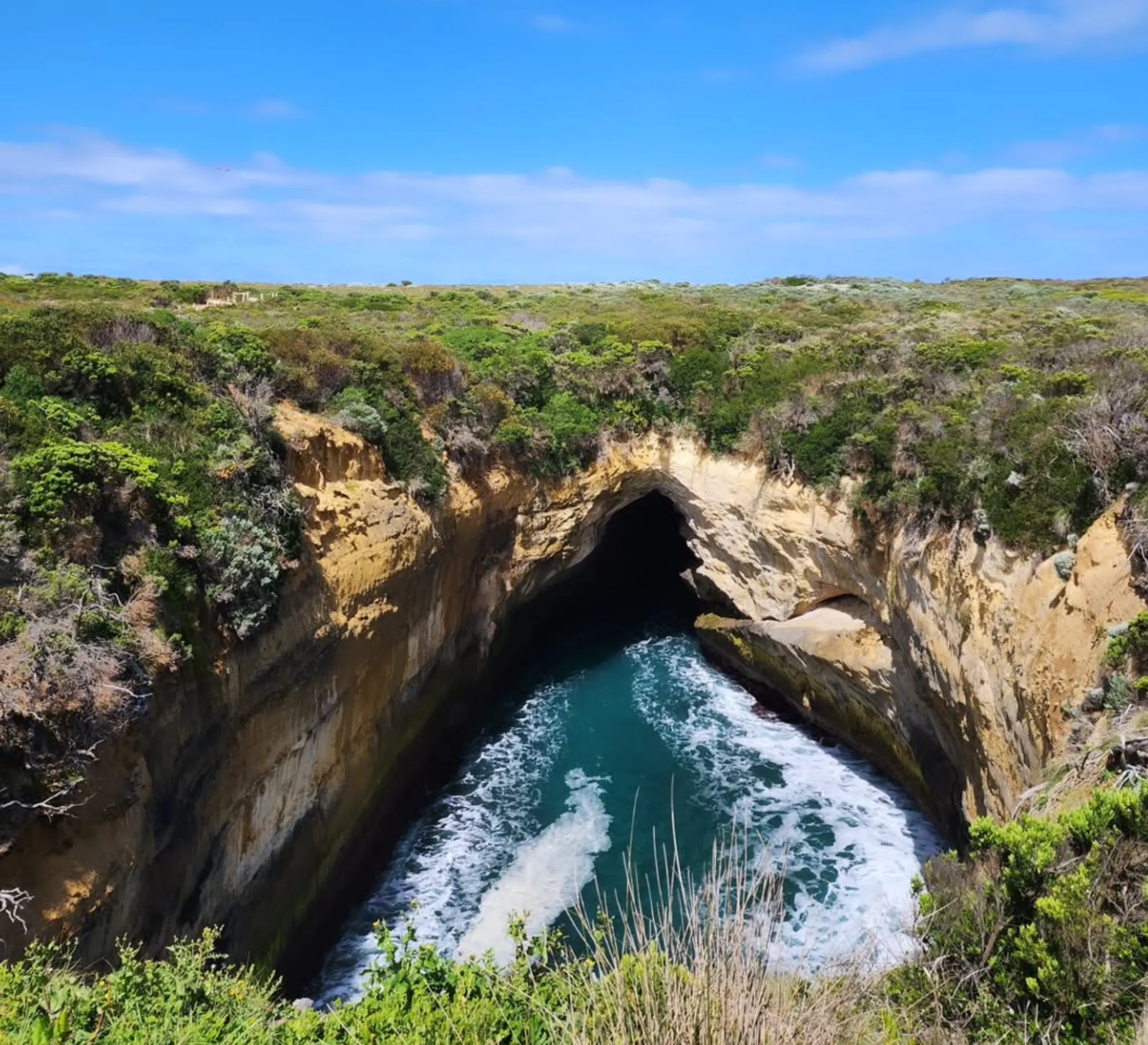
Is the Great Ocean Road worth visiting in winter? Yes – if you like having the place almost to yourself, bracing weather, & a coastline that’s been roughed up rather than primped and preened. Winter strips the crowds away, flips the Southern Ocean switch, and turns this famous drive into something properly atmospheric and raw.
I’m Paul Beames, & Ive driven this road every season, both solo and with groups, and for scoping routes for future trips. Winter’s not about sitting on the beach soaking up the sun or watching a sunset go down in perfect harmony with the clock. It’s more like racing the storm light, finding an empty lookout to take in the view, enjoying a decent pub feed, and just watching the whole thing happen.
How Winter Reshapes the Coastal Journey
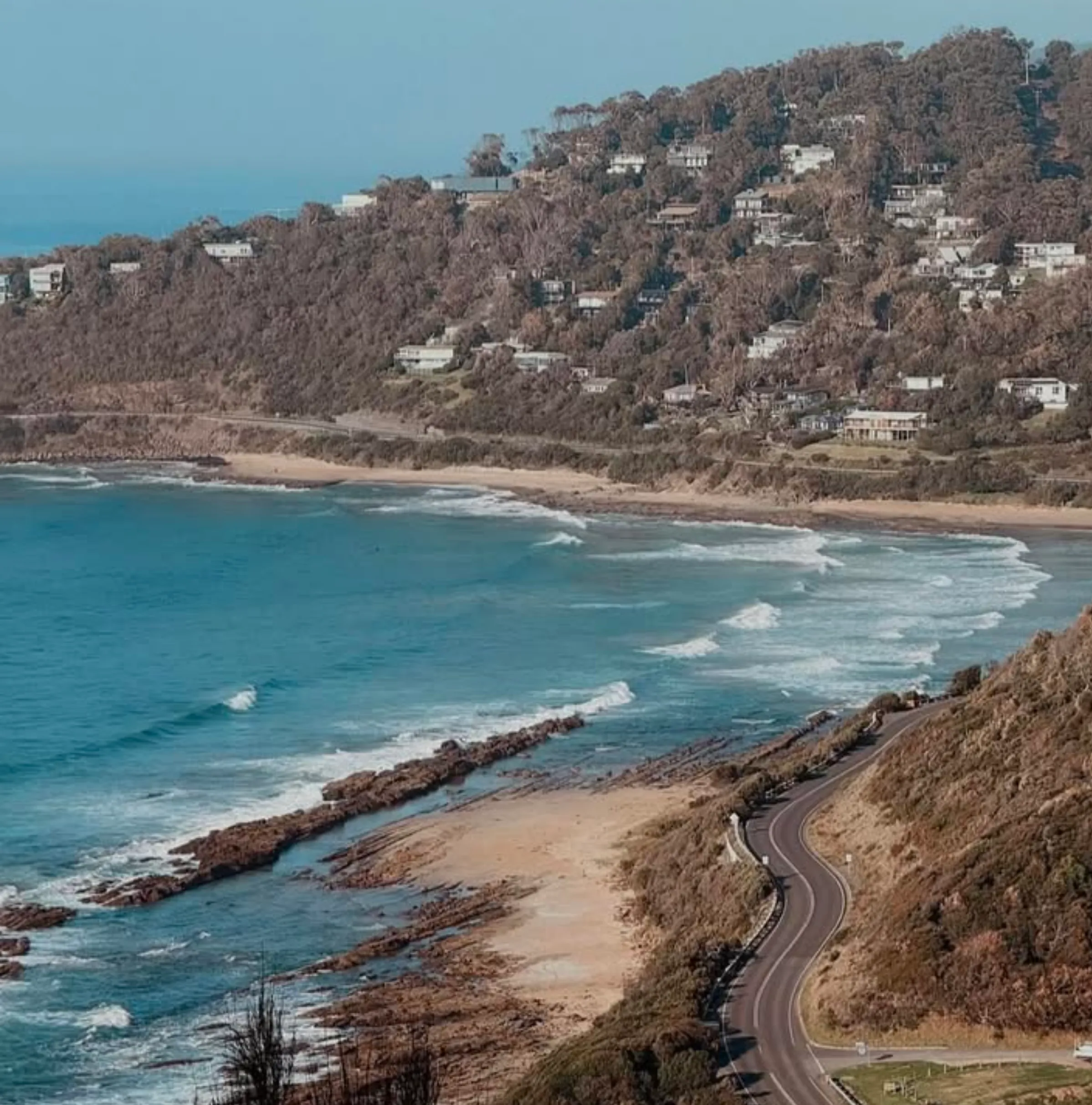
Winter doesn’t exactly make the Great Ocean Road better – it just shows you what you’re getting. Without all the tour buses backed up and car parks jammed by early morning, the cliffs, forests and villages all get a bit of space to stretch out in.
You know straight away when you get here. The stops are loads quieter. People take their time & actually have a conversation. You’re not trying to cram in as much as you can before the sun goes down or fighting over a half-decent photo angle. You get to react to the weather & let the road set the pace.
The Weather Reality Check (No Holding Back)
Let’s be straight out with it. Winter here is very cold, windy, and a real mixed bag of weather. If you turn up thinking you can just potter along in a light jacket, you’ll be left disappointed. But if you do show up prepared, it’s bloody fantastic.
Temperatures usually range from 8 to 15 degrees during the day, and rain comes in short, sharp bursts. But it’s the wind off the Southern Ocean that really gets you; it cuts through the poor layers faster than you can say Jack Robinson.
Typical Winter Conditions (June–August)
| Location | Avg Day Temp | Avg Rainfall | What It Feels Like |
|---|---|---|---|
| Torquay | 9–14°C | ~70 mm | Cold & breezy |
| Lorne | 8–14°C | ~90 mm | Windy, damp |
| Apollo Bay | 8–13°C | ~100 mm | Proper coastal winter |
| Otways | 6–12°C | 120+ mm | Wet, sheltered |
Source: Bureau of Meteorology long-term Victorian coastal averages
Pack warm winter gear, including a waterproof jacket, and ditch the wishful thinking – it’s not going to cut it this time of year.
The Coastline – and the Drama That Unfolds
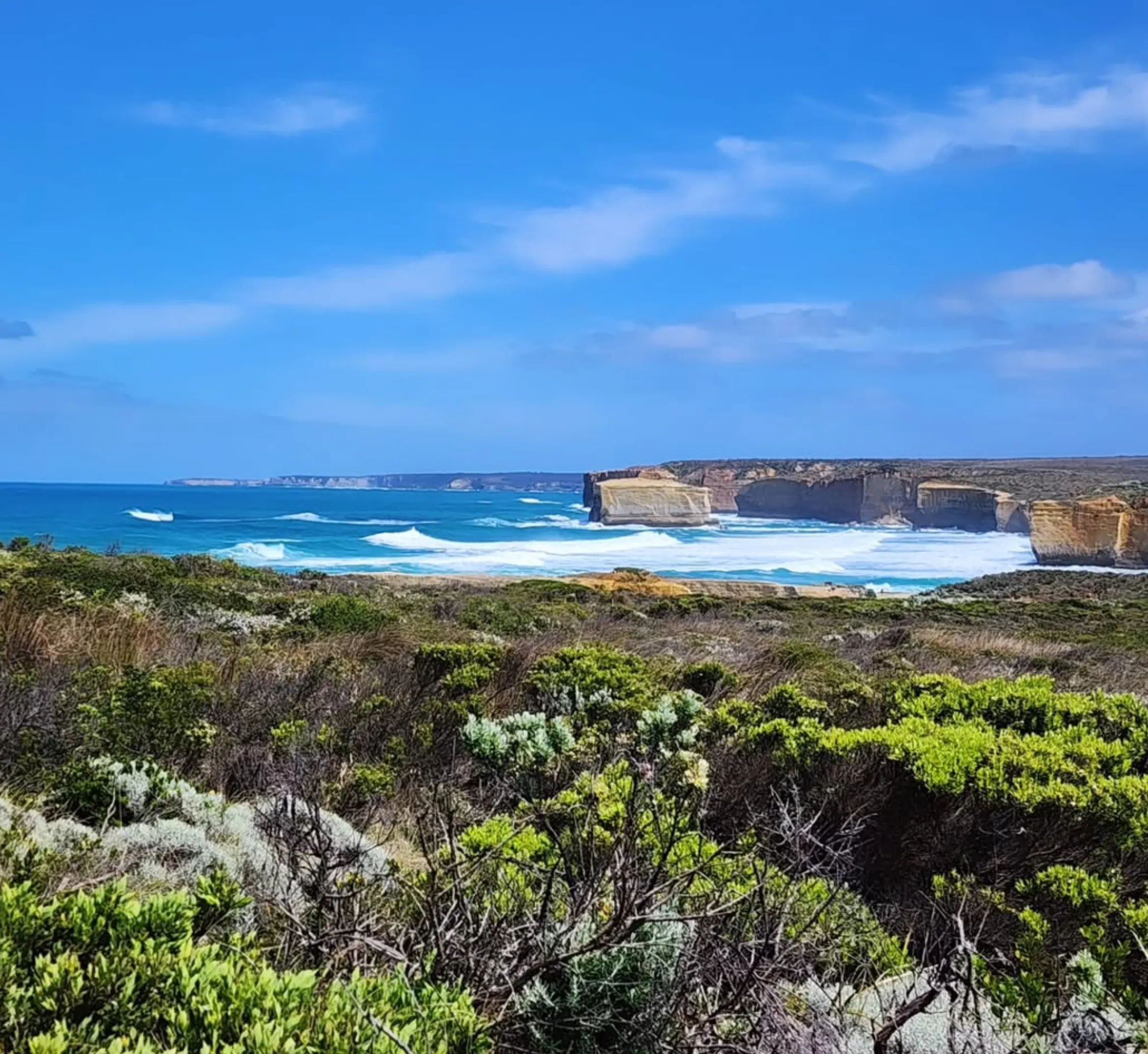
Winters in Victoria are when the coast really shows its rugged side – big swells bash against the limestone cliffs, spume shoots up into the air, and the colours shift from bright blue to a dull steel grey.
The Twelve Apostles and surrounding formations take on a more intense, almost sombre mood in winter. No swimming or larking about – you’re there to watch the ocean at work, chipping away at the rock formations that have stood for millennia.
Plenty of other stops along the way are enhanced by the winter conditions, like Loch Ard Gorge, London Arch, Gibson Steps and the Bay of Islands – not only are the car parks relatively empty, but the louder seas add an extra layer of excitement. This really is the Shipwreck Coast at its best.
A Bonus That Many Visitors Overlook
One of the most under-appreciated delights of winter is whale watching – and the good news is you don’t have to book a boat. Between June and October, you have a good chance of spotting southern right whales, humpback whales and the occasional blue whale making their way along this stretch of coast.
One of the best places to view these magnificent creatures from dry land is at Logan’s Beach near Port Fairy – the purpose-built viewing platforms make winter viewing safe and comfortable. Be warned, though: it’s wildlife viewing, not a theme park; there are no guarantees.
Forest Walks Are Actually a Winter Highlight
Summer may have dried out the Otways but winter is when they really come to life. The Otway Rainforest is a sight to behold after a bit of rain, with waterfalls finally earning their reputation and the air filled with the scent of damp earth.
If you need a break from the coast, there are loads of short forest walks near Lavers Hill and along Lavers Hill Road – a great way to avoid the worst of the coastal weather without losing the day. Places like Erskine Falls, Hopetoun Falls and Phantom Falls are a sight to behold after a good soaking – and don’t forget to keep an eye out for the wildlife as you go.
Just be aware: leeches do exist. And they like damp socks. A spare pair of long socks can be a lifesaver.
Winter Driving – Not as Daunting as You Might Think
The roads are all sealed and well-maintained, so you don’t have to worry about dodgy surfaces when driving the Great Ocean Road in winter. It’s all about being aware of the conditions, not trying to muscle your way through them. Be prepared for wet patches, fog in the Otways, and the occasional fallen branch after a storm.
I’ve driven this stretch in the pouring rain with a full vehicle more than once – it’s just about slowing down, increasing your following distance and avoiding driving through dusk when the wildlife is on the move.
If you’d rather not deal with winter driving at all, that’s where guided tours come in – or even better, a 2 day Great Ocean Road tour, which takes care of all the logistics for you.
Towns Start To Feel Real Again
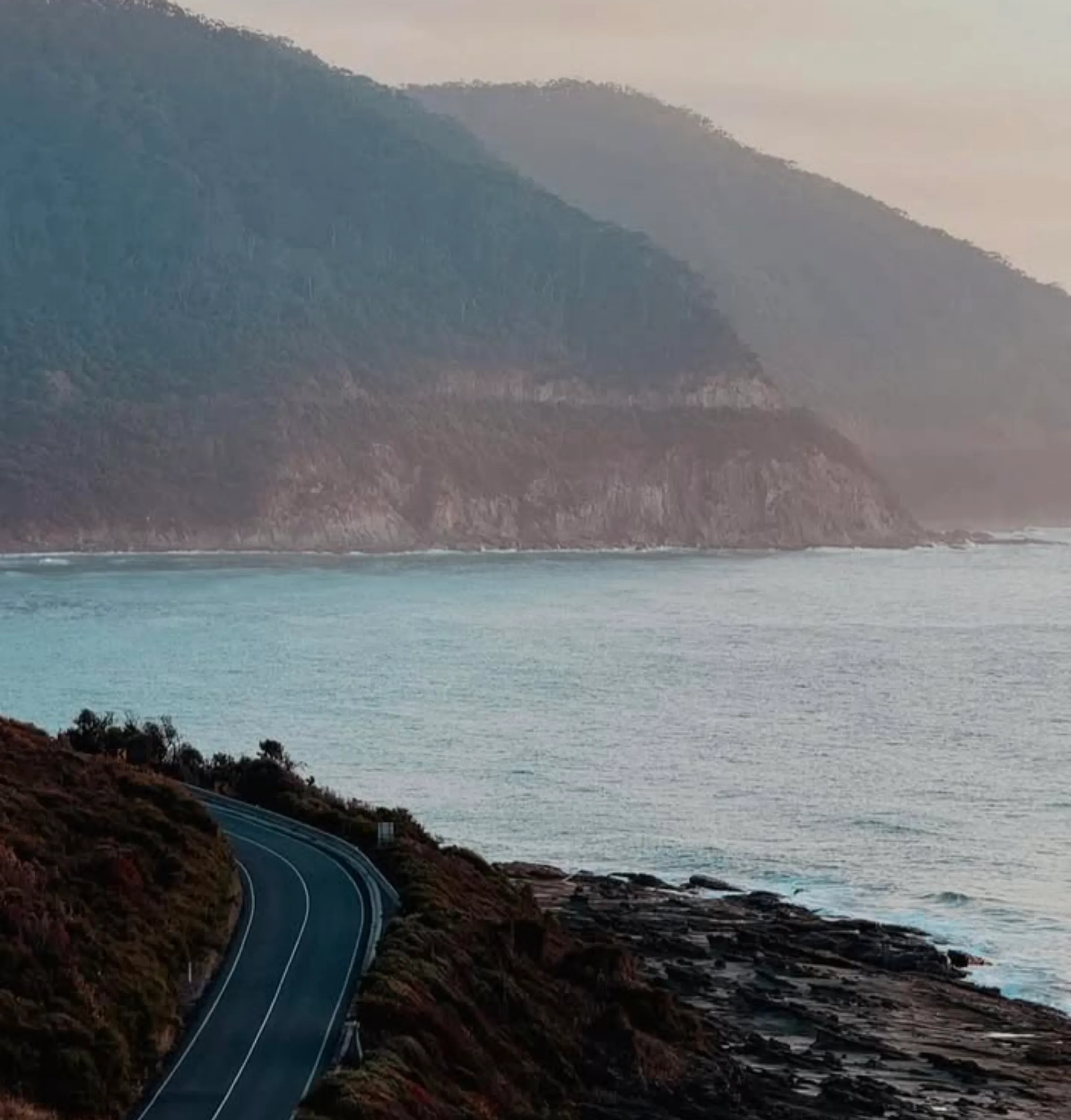
In winter, places like Apollo Bay, Port Campbell, and Port Fairy really slow down. A few fewer places are open than we’d normally expect, but what is actually open starts to feel proper rather than like they’re just making do.
You get to grab a seat by the fire, have a proper natter with the locals and eat some grub that’s actually suited to the weather. Spots like Salt Brewing Co or Bohemia Cafe and Bar start to shine when you’ve just come in from getting battered by the wind and rain.
The 2-day Great Ocean Road tour can actually benefit here – folks on that get a bit more time to potter around the winter-friendly towns, rather than rushing to get round it all in daylight.
The Surf Coast Without The Hype
Winter strips the Surf Coast right back to its raw basics. Bells Beach is still chucking out waves that’ll knock cold-water surfers off their boards – the rest are pretty much deserted.
You can actually get some sense of the views at places like Teddy’s Lookout, the Memorial Arch and the nearby War Memorial without having to fight through the crowds that are normally there.
Even if you’re not into surfing (and quite probably aren’t, in this weather!), winter gives you a bit of breathing space.
Cape Otway – When The Weather Steals The Show
The drive to the Cape Otway Lighthouse is cold, windy and miserable in winter – but also a heck of a lot less busy. And – you know – there’s a reason the lighthouse is there. It’s right in the path of the weather, and when it’s really blowing a gale, you can see why ships needed to navigate it.
Just keep an eye on the road after heavy rain, but if it’s open, it’s a really atmospheric winter detour.
Is Winter Really Your Thing? Be Honest With Yourself
Winter is best for the kind of traveller who prefers atmosphere to sunshine. If all you’re looking for is swimming, al fresco dining every night, and long balmy evenings, stay for summer.
On the other hand, if you want some space, really sharp scenery, lower accommodation costs (Tourism Research Australia reckon they can be 20-35% cheaper), and a more relaxed pace, then winter is the way to go.
Many visitors book Wildlife Tours in Australia or a 2 day Great Ocean Road tour because winter is the perfect time to go with the flow, rather than sticking to a rigid plan.
A Winter-Friendly Itinerary That’s Actually Relaxed
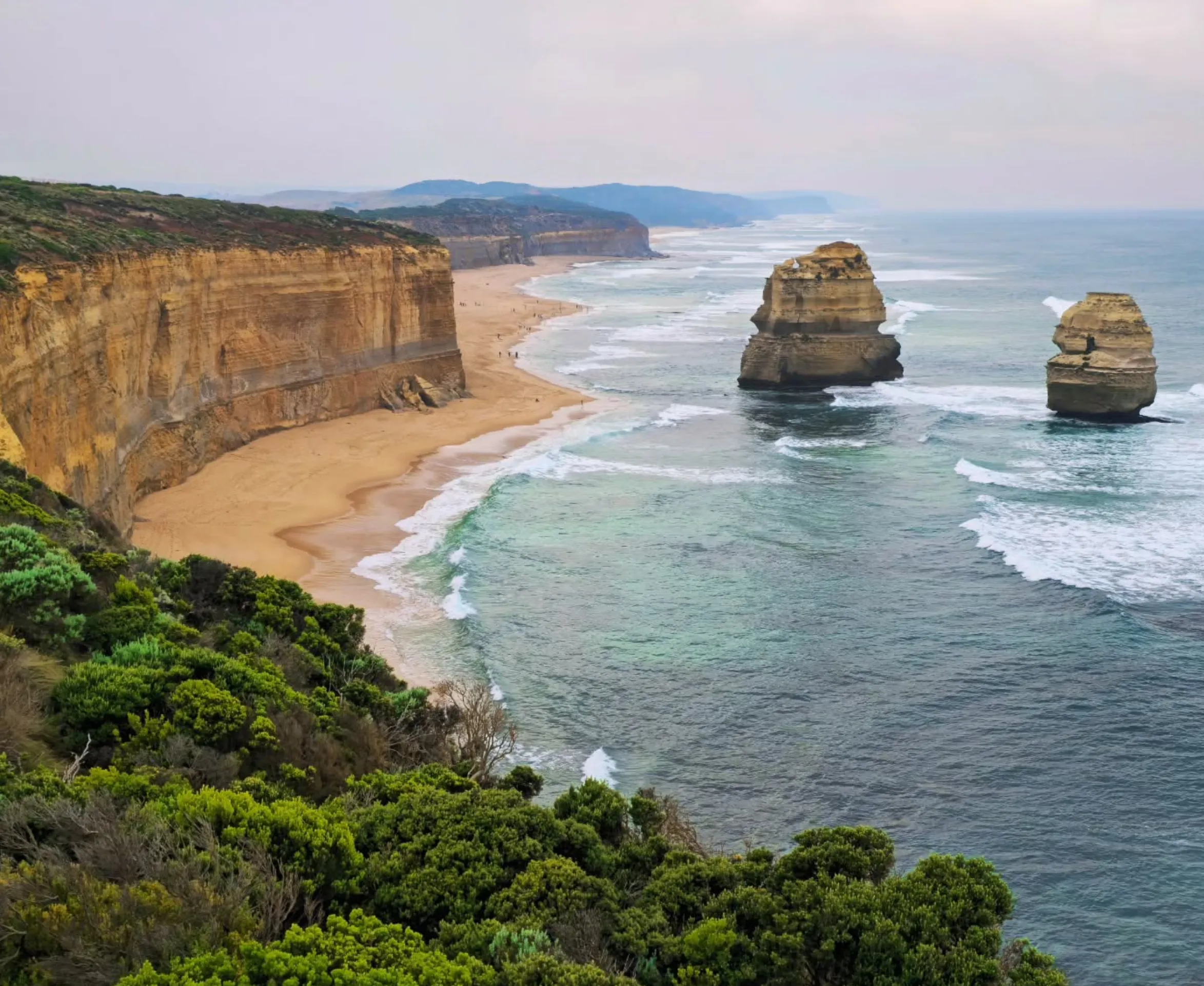
Day one is all about the Surf Coast and getting to Lorne – if the weather’s good, you might even get to see some waterfalls. Day two, get the Otways and Shipwreck Coast out of your system, taking your time between showers.
Winter’s not about cramming every single stop in – it’s about looking at the weather and doing whatever comes naturally. Experienced guides are always good at that sort of thing.
Final Verdict
If you’re wondering whether the Great Ocean Road is worth visiting in winter, you want to know if it’s just going to be a ghost town with the elements taking centre stage. The answer is a resounding yes.
Just make sure you’re dressed for the weather, and it’s a good idea to slow down a bit and let the weather take control. Winter by no means softens the road – it makes it feel more raw & exposed.
— Paul Beames
FAQ
Is the Great Ocean Road safe to drive in winter?
The good news is that the roads are sealed and in good condition. Just be careful on rainy and foggy days, take a bit more time and be on the lookout for wildlife at dusk.
Can you spot whales in winter?
You sure can. Southern right and humpback whales migrate up and down the coast from June to October, and Logan’s Beach is just the right spot to catch the best show.
Are all the attractions open year-round?
Most major sights stay open year-round, but some smaller operators, such as cafes and tour companies, begin reducing hours, especially midweek.
Does it cost less to stay in a place in winter?
Generally, yes, you can pick up some great deals. Winter rates are often 20-35% lower than summer rates.
Is a guided tour the right option in winter?
For heaps of people, the answer is yes. Book a 2-day Great Ocean Road tour with Wildlife Tours Australia, and they’ll handle the weather and logistics so you can just enjoy the ride.