

If you’ve been searching for What Are the Dangers of Tattoo Removal?, chances are you’re weighing up your options after a moment of tattoo regret – something way more common than people ever admit. Whether it’s a dodgy tattoo ink that’s migrated over time, some weird aged colour, or you got a piece of work done by a tattoo artist who just wasn’t up to scratch – removal feels like the best way to hit the reset button. And with today’s laser tattoo removal tech making use of super-short picosecond pulses and properly calibrated lasers, it can be a pretty compelling option – as long as it’s done correctly.
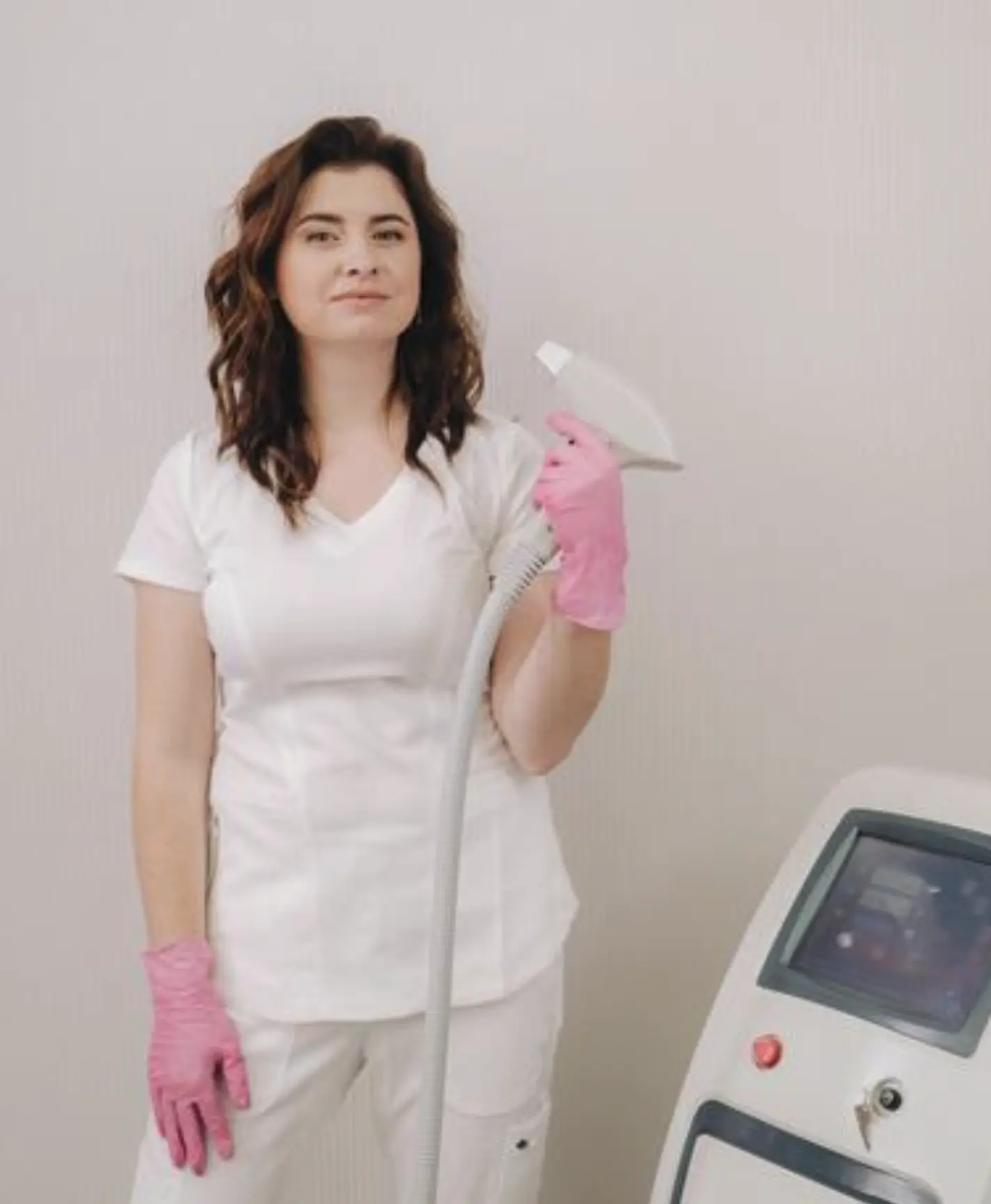
The Real Risks People Don’t Talk About
Let’s get into the nitty-gritty. Here are the realities you need to know before you book removal sessions.
1. Skin Damage: What to Watch Out For
Skin damage is the thing that worries most people when they’re thinking about getting tattoo removal, especially if they’ve seen some pretty scary stories about dodgy laser devices or poorly calibrated pens. The good news is that most of these issues can be avoided by doing your research and choosing a reputable clinic with state-of-the-art technology and knowledgeable staff. The bad news is that there are still some clinics out there that just can’t be bothered to do things properly.
Skin damage can come from a few things
Burns from Heat Overload
Laser removal works by firing a stream of tiny pulses of light at the tattoo pigments, breaking them up so your immune system can clear them out over time. But if the laser is too strong or held for too long in one spot, it can cause the tissue to get too hot and end up with some nasty burns, including:
- Blisters, which are just a pain
- Skin discolouration, which can be quite a shock
- Long-term texture changes that are just plain annoying
This is more likely to happen with older lasers or ones that have been poorly set up.
Surface Burns
These happen when the skin gets too hot too fast and can’t handle it. It’s often down to:
- Laser technicians who are still learning the ropes
- Laser equipment that’s being pushed to its limits
- Tattoo inks that are just too heavy-duty
Deep Tissue Injury
Although less likely, if the laser is too aggressive, it can affect deeper tissue layers, slowing healing and causing adverse reactions in some people.
Prevention is key: choose a reputable clinic that uses reliable equipment, has a cooling system, and keeps settings conservative.
2. Hyper & Hypopigmentation
Pigment changes are common because the laser affects both your tattoo ink and the natural melanin in your skin. Skin types vary, so it’s vital to understand your skin and the risks you’re exposed to.
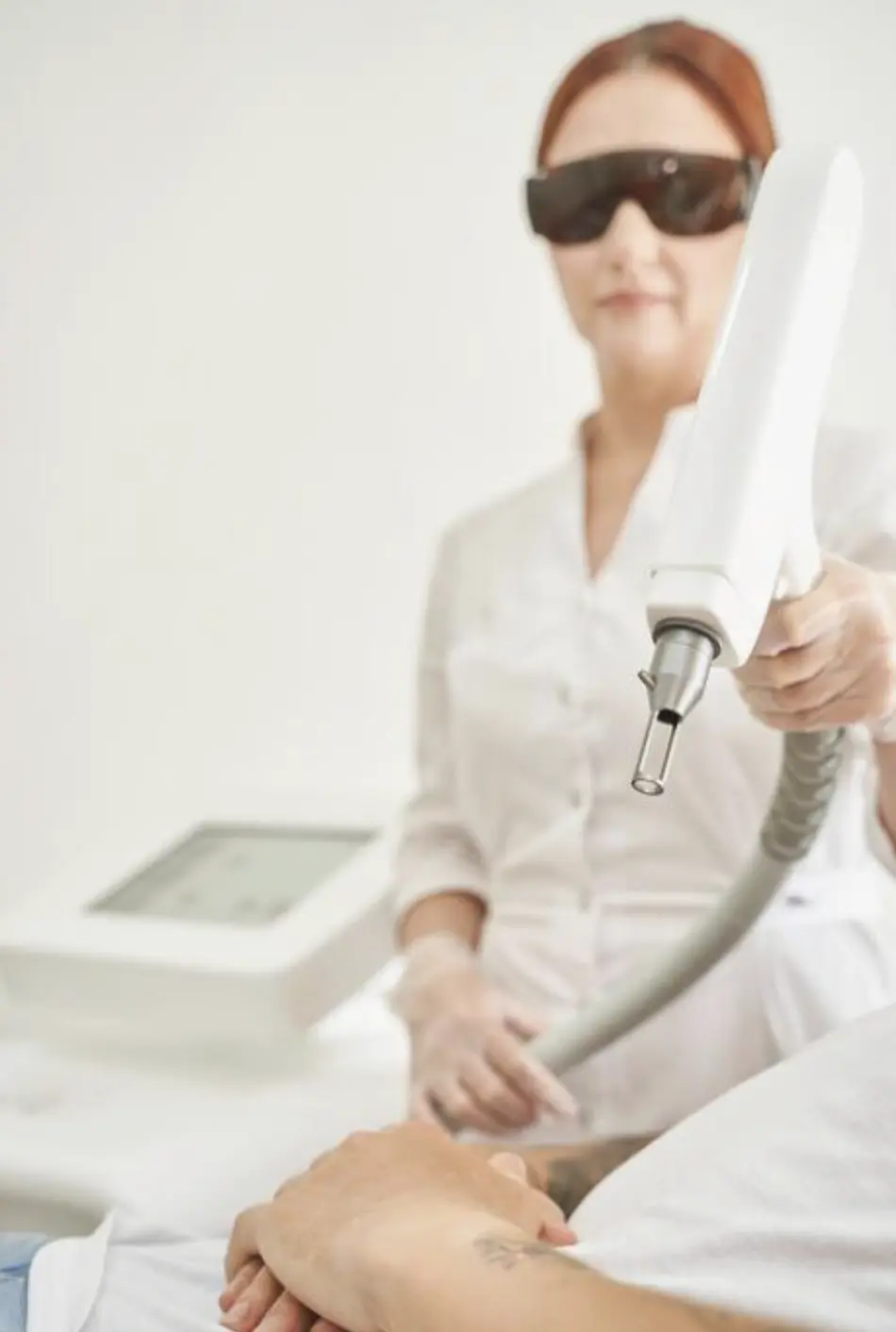
Hyperpigmentation – The Darker Side
This usually shows up as darker patches after treatment, and is more likely to happen in:
- People with darker skin (Fitzpatrick IV-VI)
- People who’ve recently been out in the sun
- People who are prone to some inflammatory skin conditions
It usually sorts itself out with some sunblock, careful skin care and avoiding the sun like the plague.
Hypopigmentation – The Lighter Side
This is the “washed out” look that some people experience after laser treatment, and it occurs when melanin absorbs too much laser energy. High-risk scenarios include:
- Laser settings that are turned up too high
- Using the wrong wavelength
- Pre-existing conditions that affect skin pigmentation
And once it’s happened, it can take months to put right – and sometimes doesn’t even go back to normal.
3. Scarring – A Risk Too Often Ignored
The truth is, scarring doesn’t have to be a part of laser tattoo removal – especially when using the right equipment, technique and proper care. It’s usually caused by:
- Burns from being overdone or poorly managed
- Infection if the skin isn’t given enough time to heal
- Repeated over-treatment that lets skin become frazzled
- Ignoring aftercare on open wounds and not letting them breathe
Spotting the Signs of Hypertrophic Scarring
This is basically what happens when an overgrowth of collagen gets triggered by skin trauma – it’s not pretty.
The Indentations of Atrophic Scarring
When thermal damage or poor tissue healing leaves you with indented areas of skin, you know you’ve had a problem.
Keloids – The Rare but Possible Risk
You might see these if you’re prone to keloids, and if you are, you’ll want to be extra careful.
Places that really understand laser therapy will be keeping an eye on your skin and adjusting the treatment sessions based on how your body is responding – because they know it’s not just about the schedule, it’s about your skin.
4. Infection – When Aftercare is the Key to Success (or Failure)
When you remove a tattoo, you create small openings in the skin – and if bacteria get into those tiny cracks, you’ve got a real problem on your hands.
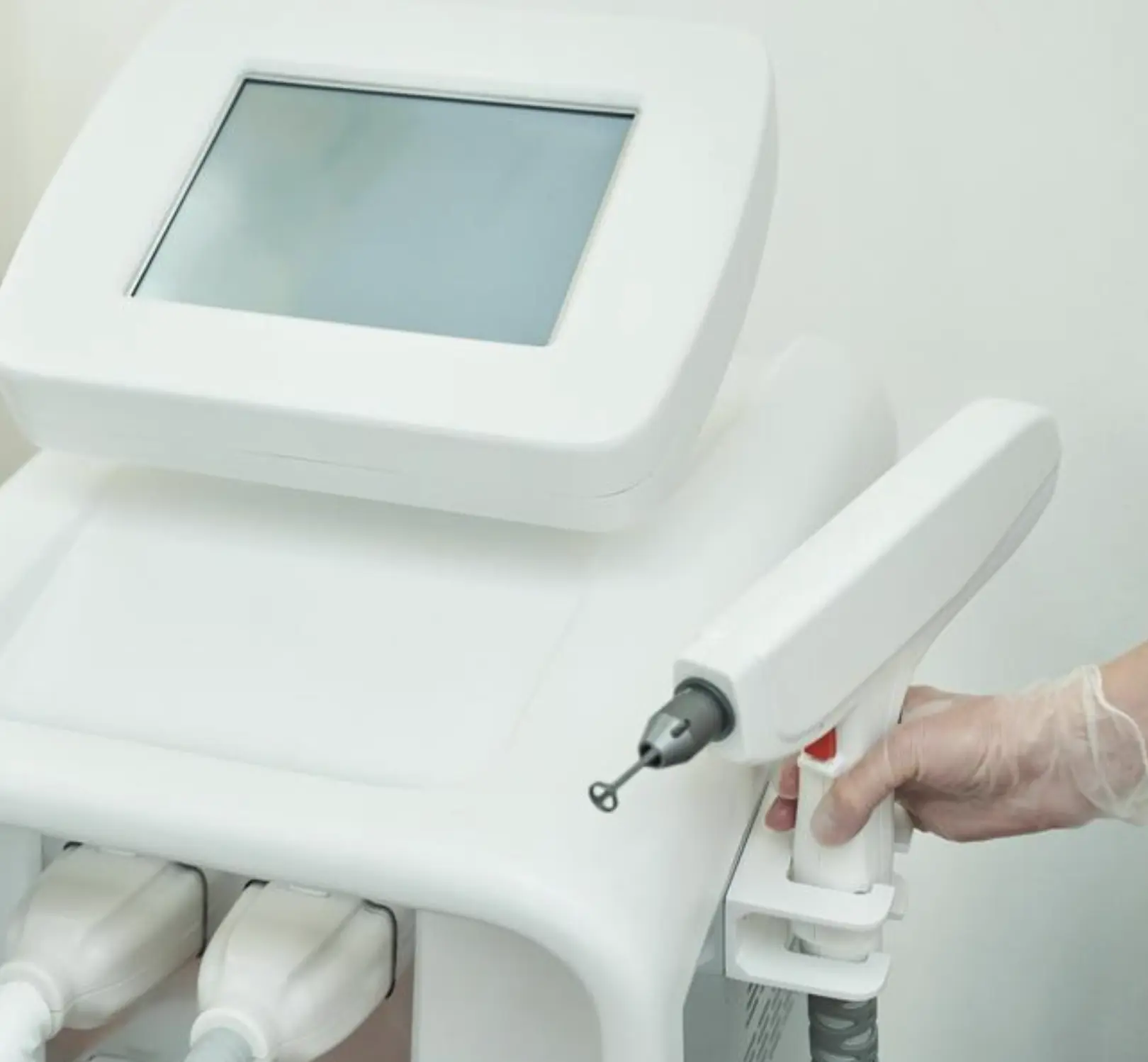
Signs of Infection to Watch Out For
- If the redness starts spreading
- Yellow gunk oozing out
- The skin is hot and sore
- You’re running a fever
Where Do Infections Come From?
- Touching your wounds when they’re still open
- Getting in the water too soon after a treatment session
- Lying down in a hot tub or sweating too soon
- Using dirty towels or gym equipment that’s been used by other people
How Infection Risk Works
When your skin barrier is compromised – either because of a treatment or because of general poor skin health – you become more vulnerable to infection. You may develop granulomatous reactions when the remaining tattoo pigments are broken down but cannot be adequately cleared.
Preventing Infection is Not Hard: any good clinic will give you clear aftercare instructions and warn you about things that can trigger issues – like going for a run or getting a chemical peel too soon.
5. Allergic Reactions – When Ink Hits Back
Some tattoo pigments can release chemicals, including carcinogenic compounds, when exposed to high-powered laser light. It’s those red and titanium-dioxide-based colours that are most at risk.
Watch Out for These Possible Reactions
- Contact dermatitis – red, itchy skin
- Swelling – either local or general
- Delayed reactions – these can come and go for months
- Long-term sensitivity – which can be a real nuisance
Why These Reactions Happen
Many tattoo pigments contain chemical compounds that can degrade unpredictably when exposed to laser light. When they do that, it can trigger an immune response.
The Extreme Cases
There have been cases of people developing conditions like malignant lymphoma or skin cancer as a result of chronic inflammation from certain tattoo pigments – these are rare but very serious. That’s why it’s so important to have laser removal done by a proper professional.
6. Ghosting & Shadowing – The Shadows of the Past
Ghosting is when the original outline of a tattoo still shows up – even after it’s been removed. This is usually down to:
- The pigment is being placed too deeply
- Heavy metal-based tattoo inks
- A residue of titanium dioxide
- Past skin trauma that’s left a ghost in the machine.
Ghosting is harmless, but it can be a surprise to people who aren’t expecting it.
Some people even choose to get their old eyebrow tattoos corrected – especially if there’s still a lot of ghosting going on. For that, they go to places like Cosmetic Tattoo Studio Melbourne Face Figurati, where they can have their tattoos corrected safely and effectively.
7. The Emotional & Lifestyle Impacts You Need to Consider
Tattoo removal is a long game – and a lot of people don’t expect just how long it takes for those ink particles to break down and clear out of their system.
The Lifestyle Restrictions You’ll Need to Follow
- Avoiding the sun like the plague
- Giving up your skincare routine for a while
- Keeping your sweat off your treated areas, and
- Delaying your swimming dates
- Taking care of your skin to make sure it’s healthy and strong.
It’s not as easy as just popping a cream and expecting it all to go away – which is why a lot of people underestimate just how demanding it can be.
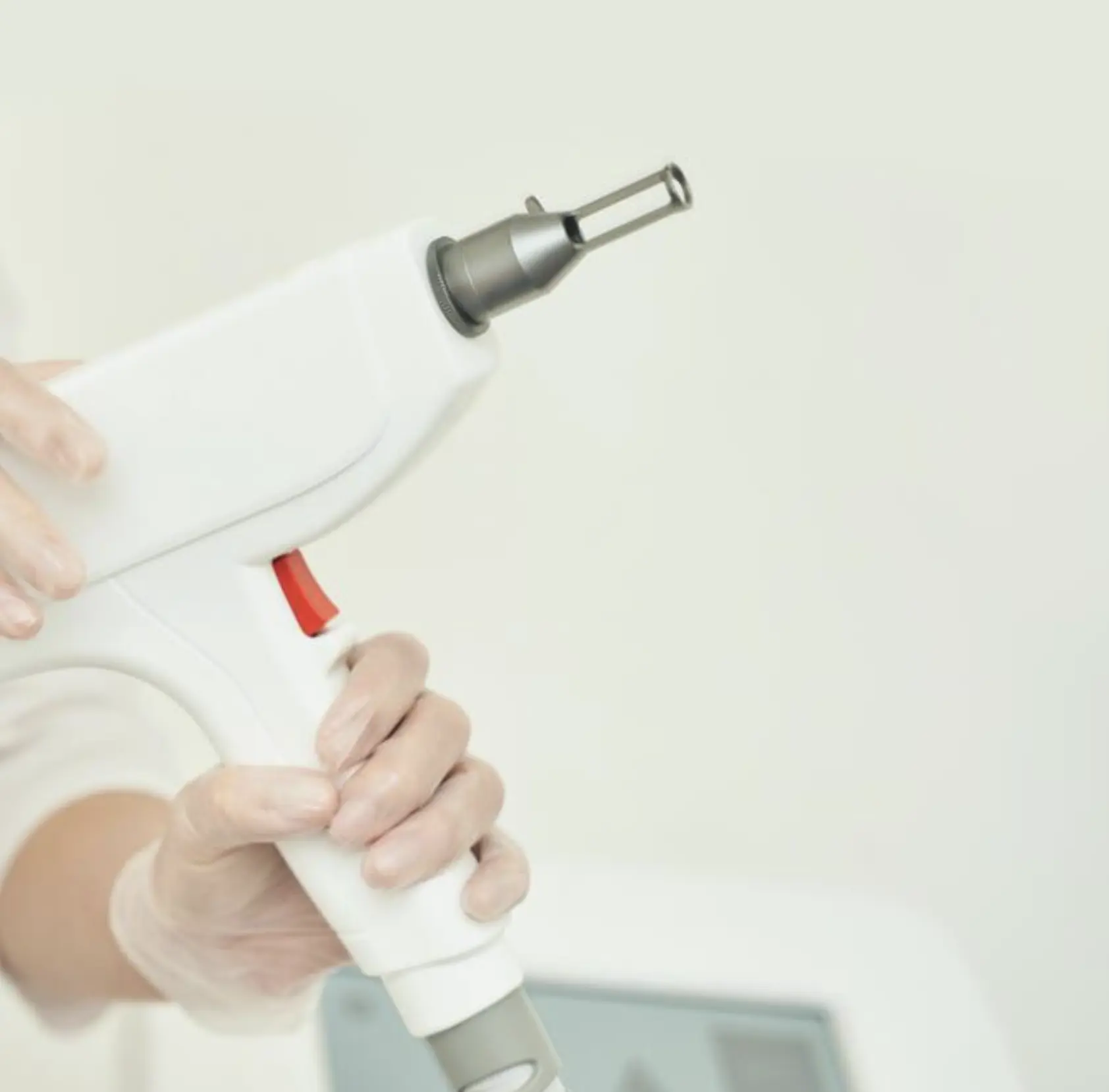
Risk Factors by Treatment Type
Below is a simple comparison of the most common risks, how often they occur, and whether they’re typically reversible.
| Risk | How Common | Reversible? | Notes |
|---|---|---|---|
| Pigment changes | Up to 40% | Often | More common in darker skin types |
| Blistering | Common | Yes | Linked to aggressive laser settings |
| Scarring | 1–6% | Sometimes | Influenced by tissue healing |
| Infection | <2% | Yes | Avoid sweating on open wounds |
| Allergic reactions | Rare | Sometimes | Higher with unstable pigment colours |
| Ghosting | Very common | No | Often from titanium dioxide |
8. Picking a Safe Tattoo Removal Clinic
Who you trust with the laser matters more than the laser itself. Even top-of-the-line picosecond lasers need proper technique to give the results you want
What a reputable clinic does:
- Takes the time to run thorough pre-treatment checks on you
- Figure out your skin type
- Works out which pigment colours you’ve got, and what those mean for your treatment
- Explains the chemistry and safety risks of the pigments
- Make sure the laser equipment is up to safety standards
- Only uses medical-grade lasers, not some dodgy handheld laser pen
- Follows strict safety protocols to the letter
Warning signs to look out for:
- Places that claim guaranteed removal
- Places that are suspiciously cheap
- Clinics still using old laser tech
- No discussion of the carcinogenic compounds or chemical degradation risks
A good clinic doesn’t just protect your looks – they also look out for your long-term skin health.
9. Real Case Studies from the Treatment Room
Case 1: Chemical degradation gone wrong
Somebody came in after a dodgy clinic used the wrong wavelength that left her with a nasty case of iron oxide overheating – deep granulomatous reactions, months of delayed healing – the works.
Case 2: Titanium dioxide nightmare
Her old eyebrow tattoo had turned chalk-white after laser therapy. Without an understanding of pigment chemistry, her previous clinic made the situation worse; however, we resolved it through subsequent colour correction.
Case 3: Skin discolouration from the wrong wavelength
A poor bloke got badly burned after a clinic used the wrong laser wavelength for his skin type. If they’d used a properly calibrated laser, this wouldn’t have happened.
10. Cutting Down Tattoo Removal Risks
If you’ve read this far, this is the part where you can actually put what you’ve learned to good use on a day-to-day basis.
Before your session
- Don’t get too much sun
- Hold off on chemical peels and acids
- Tell them what meds you’re on
- Have a chat about pigment chemistry or past issues
During your session
- Make sure the clinic is using a medical-grade laser (it shouldn’t be any other sort)
- Ask if they’re using picosecond pulses or calibrated lasers
- Let them know if your skin’s getting too hot
After your session
- Avoid friction, sweat, and the sun
- Keep the area clean
- Apply the balm the clinic recommends
- Use SPF 30 when the healed skin’s done healing
Your Skin Deserves Safe Hands
Tattoo removal isn’t a quick fix – it’s a proper medical process that involves using lasers, breaking down pigments chemically, and the immune system clearing it all up. Suppose you understand the Dangers of tattoo removal. You’ll be better equipped to choose a safe provider, follow aftercare properly, and keep your skin healthy in the long term.
If you’ve got old cosmetic tattoos, pigment colours that went wrong, or partial laser removal that’s left you with ghosting, Cosmetic Tattoo Studio in Melbourne’s Face Figurati also does corrective work that blends tattoo safety with artistic skill.
FAQ
Can laser removal cause scarring?
Yeah, it can – especially if the laser settings are too high, or if you get a burn that opens up a wound. But professional technique significantly reduces this risk.
How many sessions does removal take?
Most tattoos require 6-12 sessions, depending on the pigment colours, ink density, your skin type, and the laser technology used.
Does darker skin have additional risks?
Yeah, it does – darker skin needs special care when it comes to wavelengths and energy settings to avoid skin pigmentation changes or irritation.
Is tattoo removal generally safe?
Laser tattoo removal is safe mainly when it’s done with medical-grade lasers by a trained tech, but there are risks involved – burns, allergic reactions and pigment changes can all happen if things go wrong.
What side effects can occur?
Temporary swelling, redness, skin discolouration, blistering, and tissue healing responses are common. Rare effects include granulomatous reactions or pigment instability.